
 Butcher Shop
  Fish and Seafood
  Ready to Cook
  Charcuterie
  Eggs
Eggs  Potato
  Desserts
  Bakery and Pastry
  Complementary Foods
  New Arrivals





LOOKING FOR A RELIABLE SUPPLIER?
Speak to our sales team and discover Meigal’s solutions for your business
MEATS
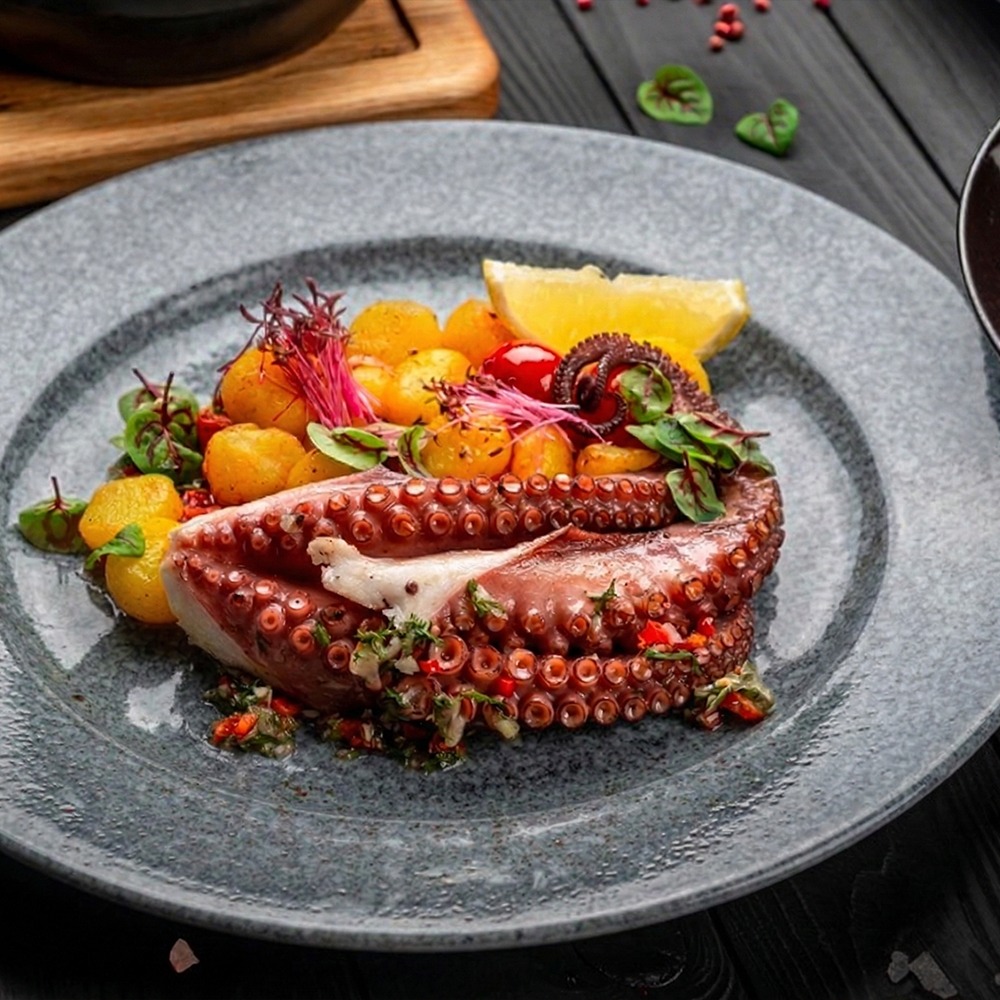
FISH AND SEAFOOD
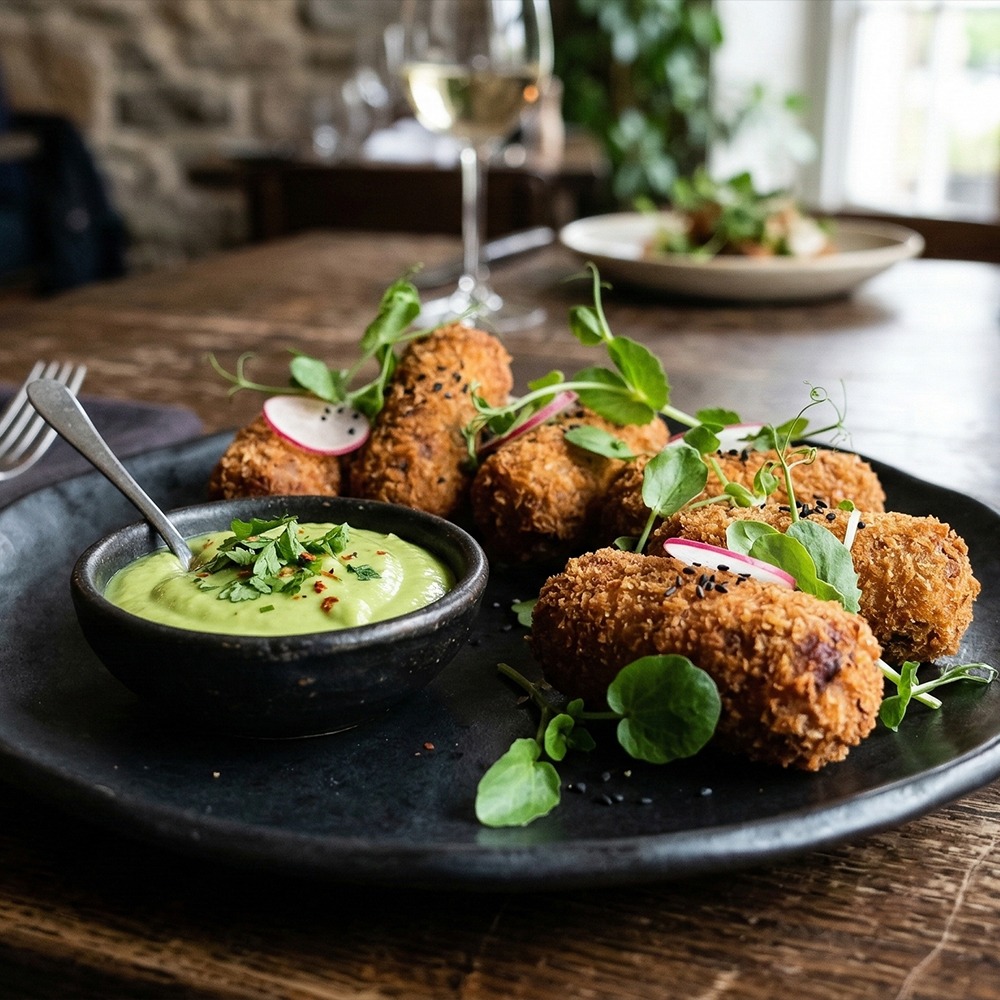
READY TO COOK
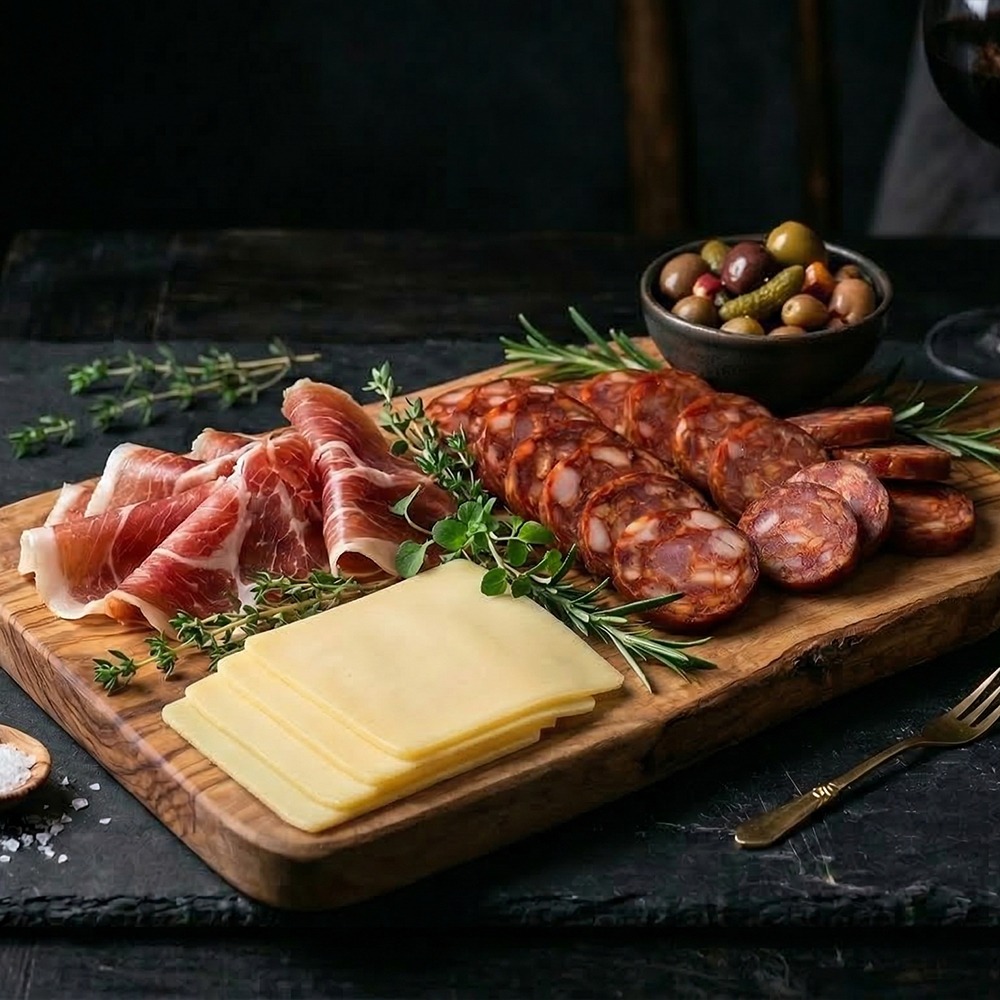
CHARCUTERIE
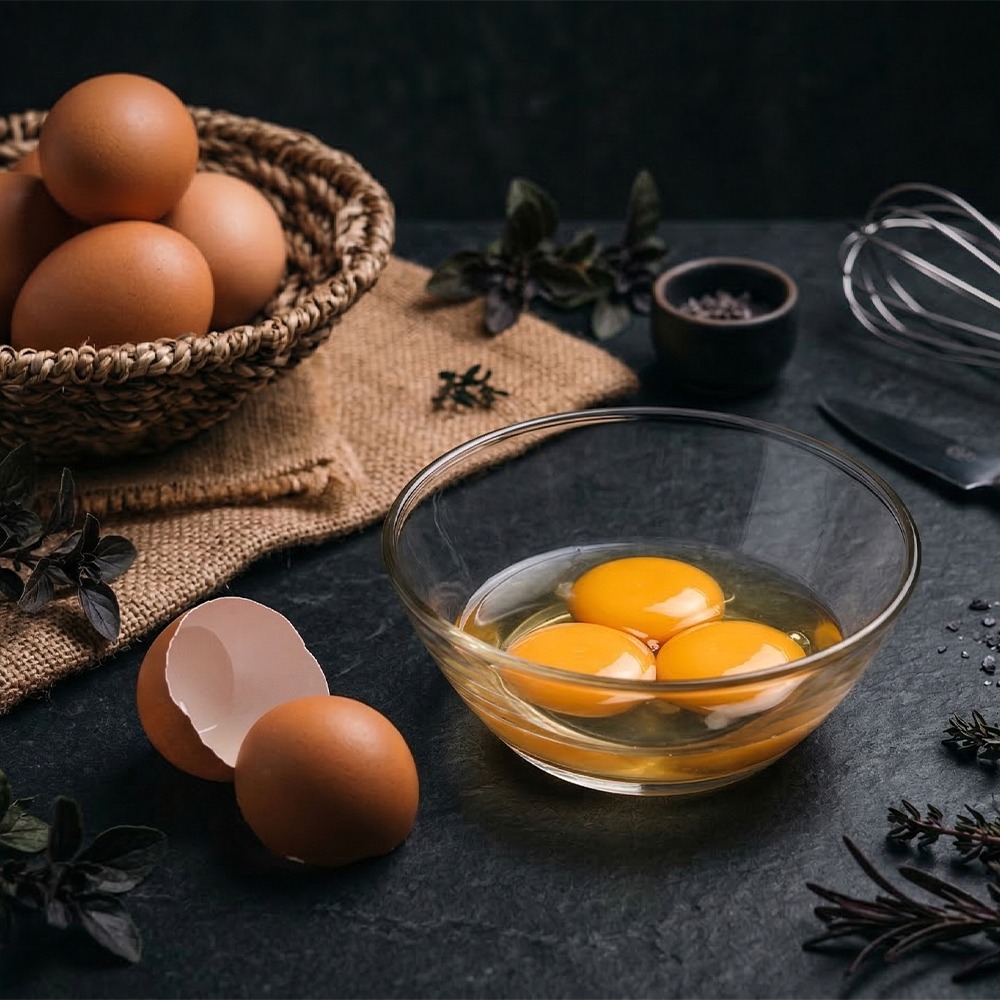
EGGS
POTATOES
BAKERY
DESSERTS
COMPLEMENTS
NEW ARRIVALS
Angus beef is a high-quality beef from young cattle of the Aberdeen-Angus breed, originating in Scotland.
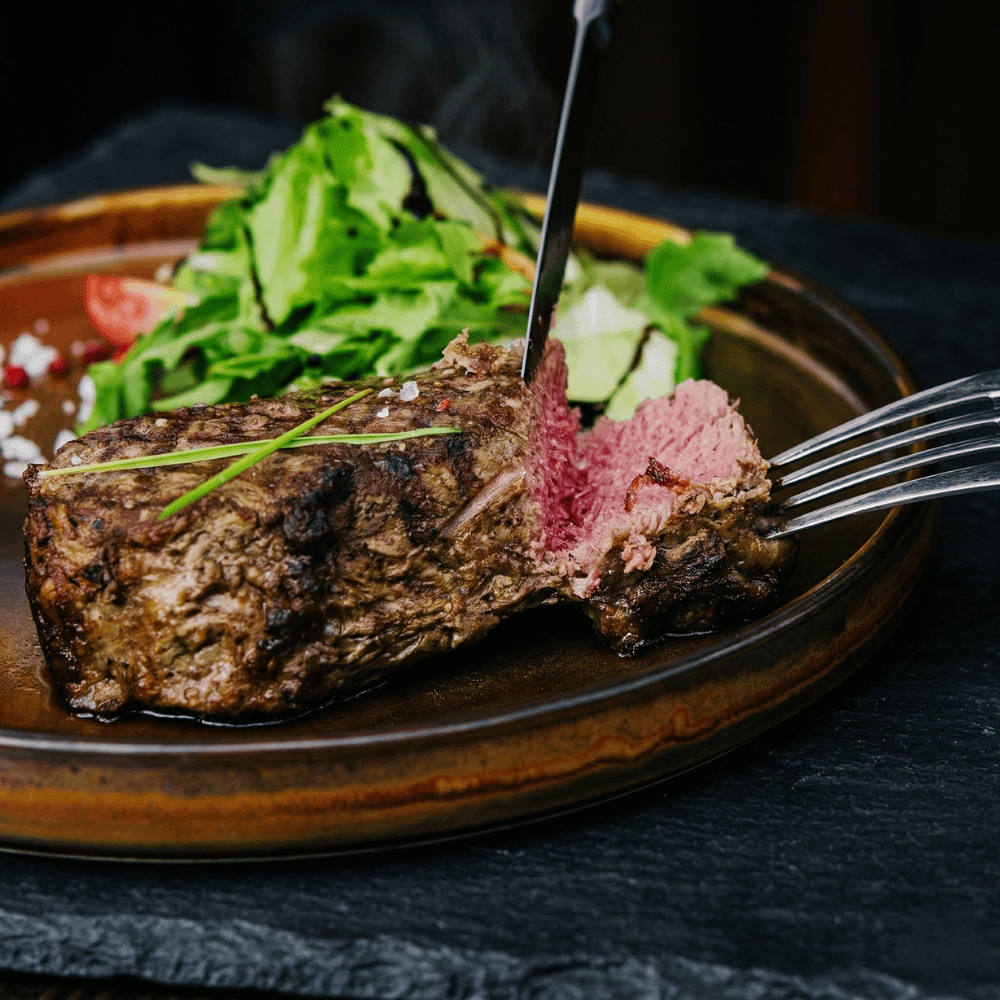
It is highly valued in the market due to the marbling of fat within the fibres, which gives it juiciness, flavour and a soft, tender texture. Suitable for various cuts and cooking methods, it guarantees quality and consistency in professional kitchens.
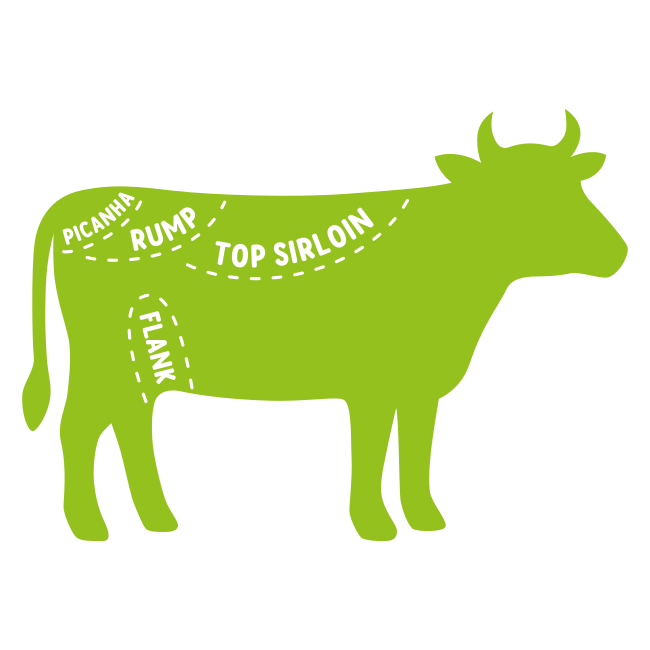
The Angus flank is located at the end of the rump. The meat is tender and naturally juicy, perfect for roasting whole or cutting into steaks, keeping the centre slightly pink. Excellent for high-quality grills and barbecues.
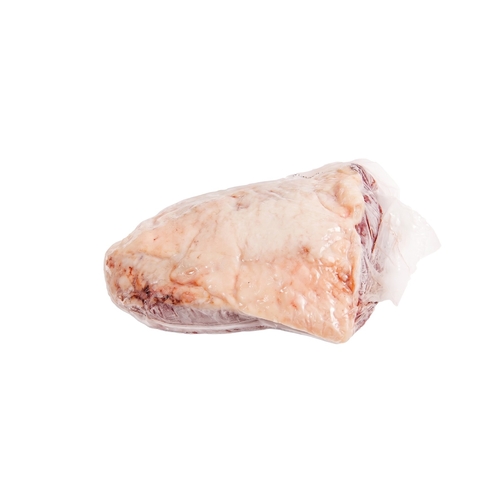
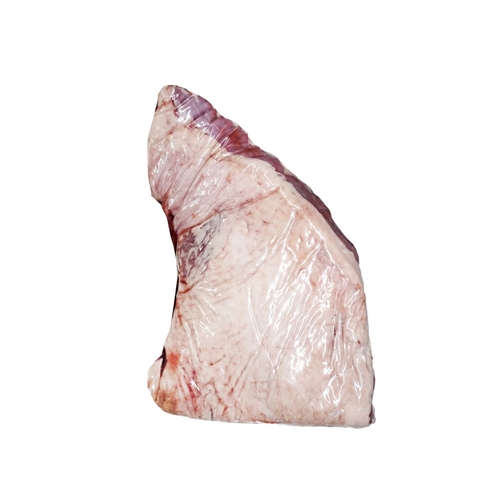
Angus picanha comes from the tip of the rump, at the rear of the animal. It stands out for the superior quality of the breed, with intramuscular fat distributed between the fibres (marbling), giving it a tender, soft texture and an intense flavour. It should be grilled over a high heat, preserving its juiciness and texture. It is ideal for thick steaks and premium grilled cuts.
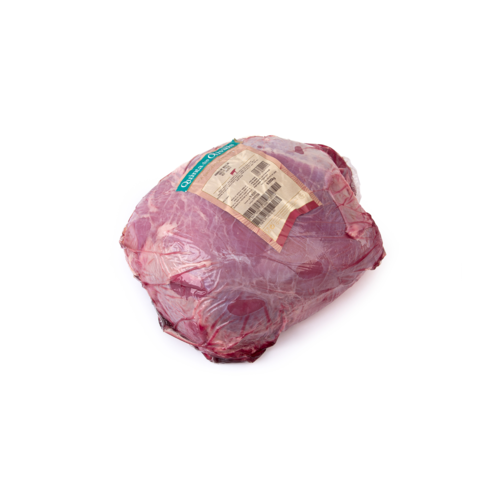
The Angus rump heart is the central and finest portion of the rump. The meat is tender, flavourful and succulent. It can be grilled or slow-roasted, and is recommended for dishes that showcase premium cuts.
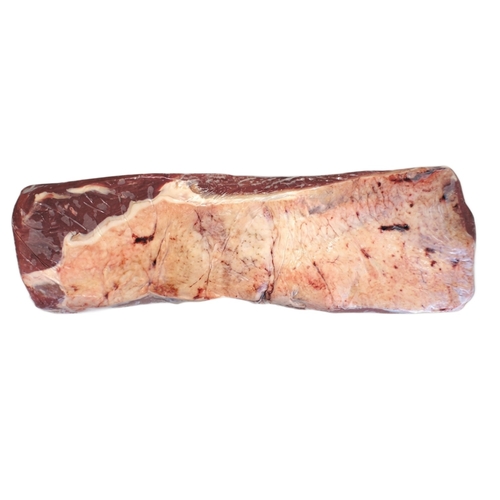
The Angus top sirloin comes from the upper back of the animal. It is a tender cut, with a strip of fat on the side that intensifies the flavour and helps retain juiciness during cooking. It should be grilled or seared to medium, preserving its texture and natural aroma. It is ideal for entrecôte-style steaks, premium grills and dishes that showcase prime cuts.
Speak to our sales team and discover Meigal’s solutions for your business
Consumption Benefits
Find what you are looking for
The most popular cuts of Angus beef include sirloin, rump cap, sirloin steak and brisket.
For food safety and to preserve flavour and juiciness:
63° C for rare
71° C for medium
77° C for well done
The meat should be stored refrigerated between 0° C and 4° C. When necessary, it can be frozen to extend its shelf life. Maintaining the cold chain and using suitable packaging helps to preserve flavour, texture and quality right up to the moment of cooking.