
 Butcher Shop
  Fish and Seafood
  Ready to Cook
  Charcuterie
  Eggs
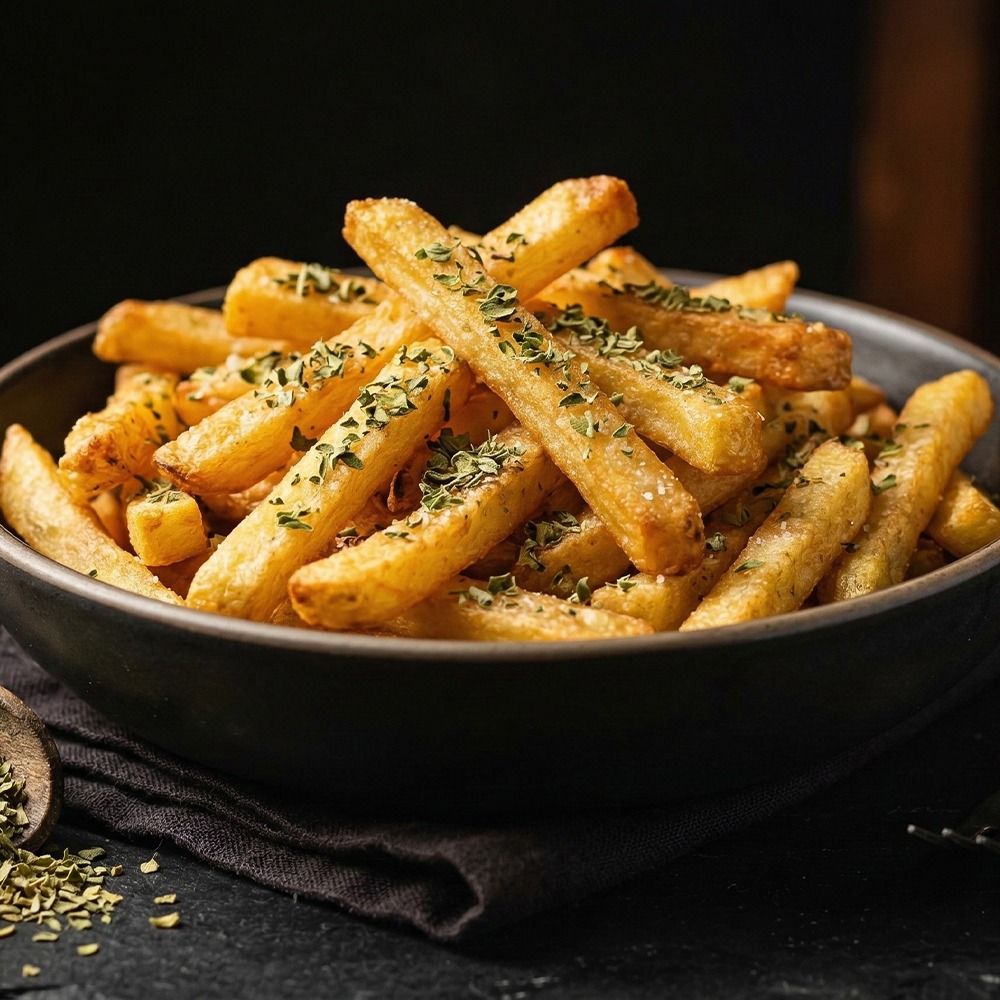
Eggs  Potato
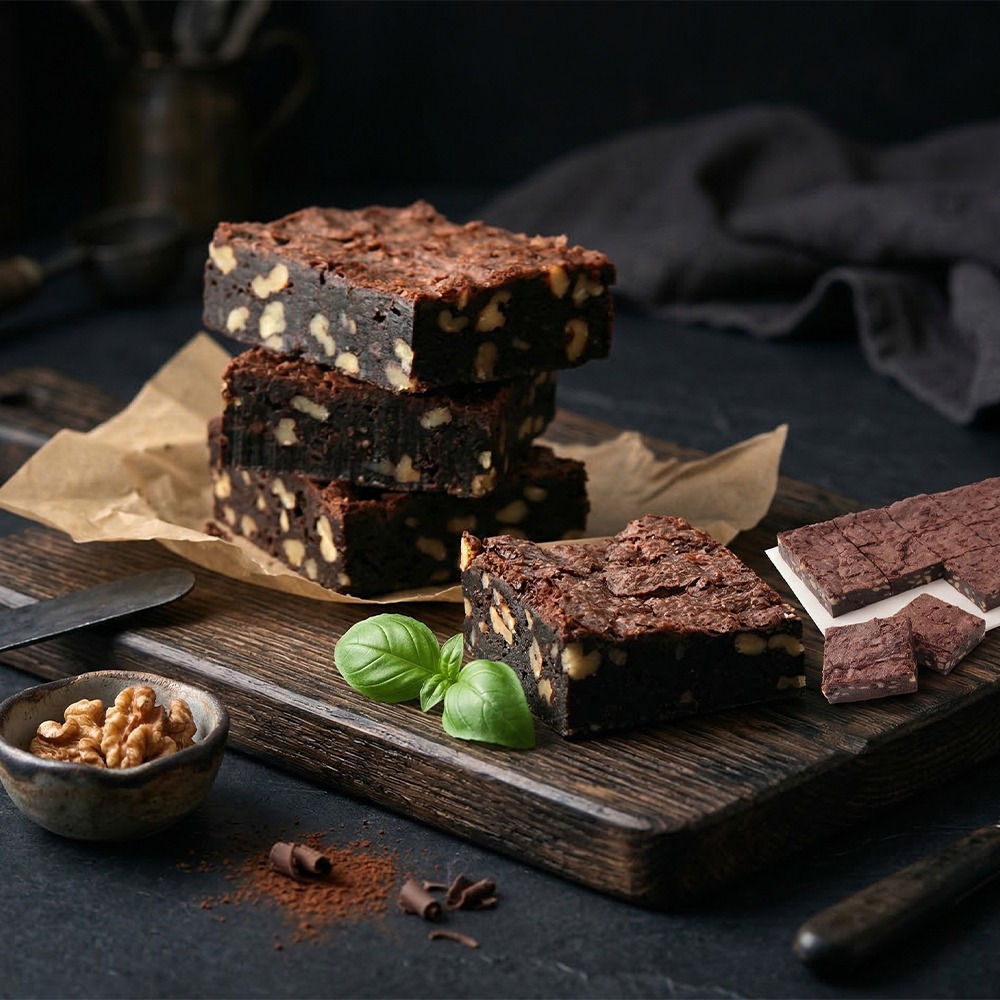
  Desserts
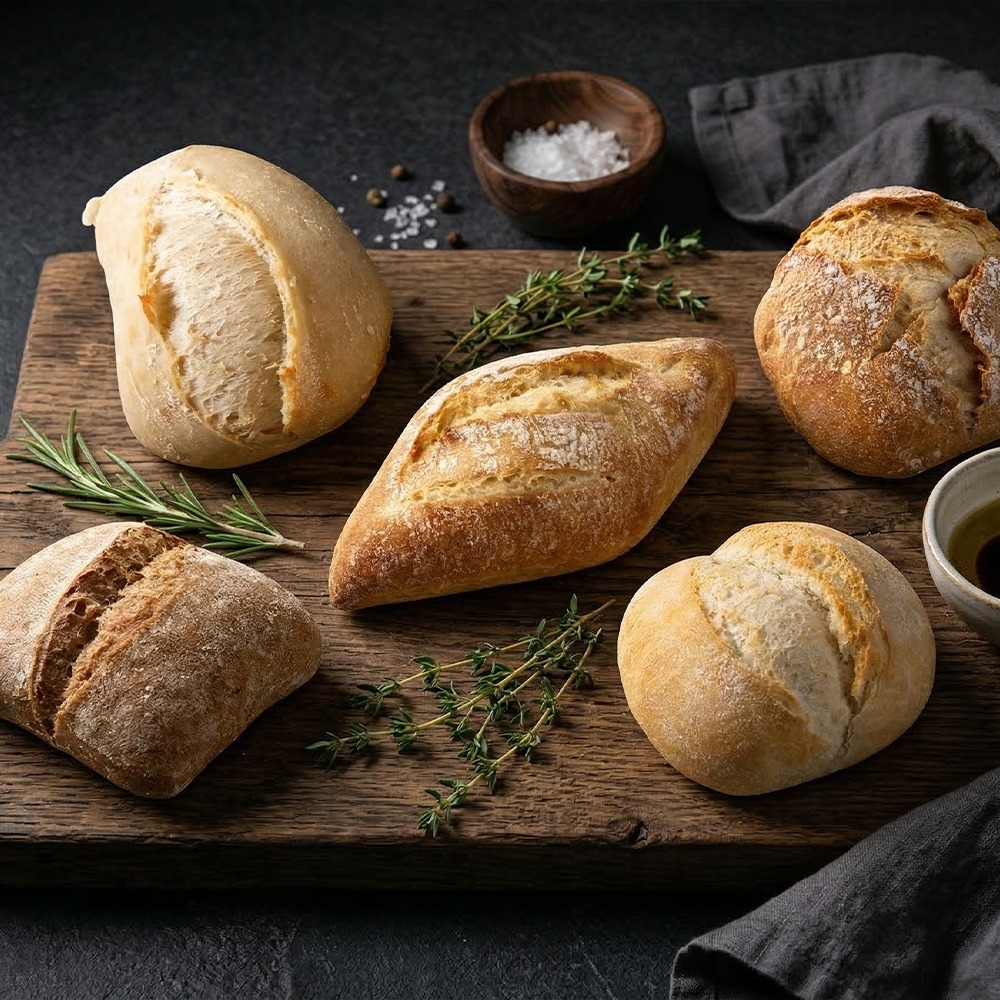
  Bakery and Pastry
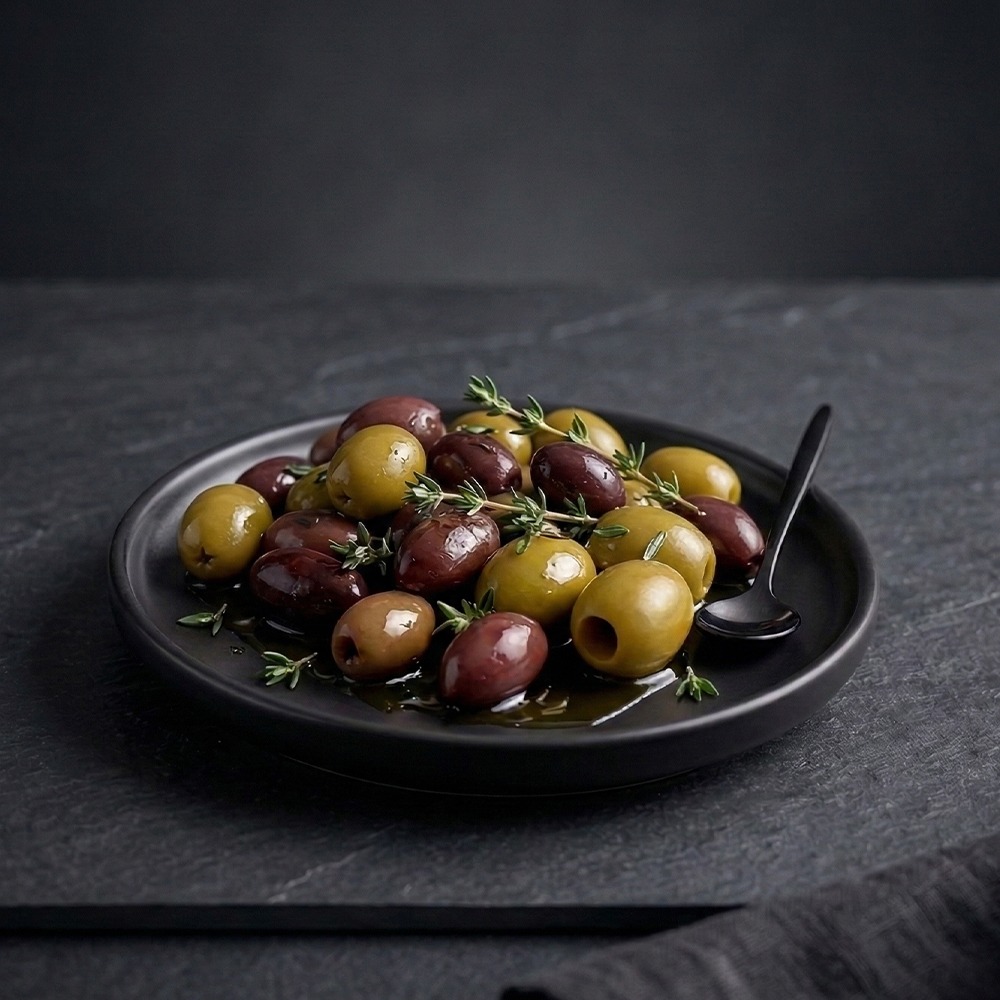
  Complementary Foods
  New Arrivals





LOOKING FOR A RELIABLE SUPPLIER?
Speak to our sales team and discover Meigal’s solutions for your business
MEATS
FISH AND SEAFOOD
READY TO COOK
CHARCUTERIE
EGGS
POTATOES
BAKERY
DESSERTS
COMPLEMENTS
NEW ARRIVALS
Beef is highly valued in the food sector due to its flavour, texture and versatility in cooking. Depending on the cut, it can have varying levels of fat and tenderness, making it suitable for a range of preparations, such as grilling, roasting, stewing or boiling.
It is a natural source of high-quality protein, essential for the body, and provides important nutrients such as iron, zinc and B vitamins. Available in different cuts, it is suitable for a wide range of preparations and meets the diverse needs of the catering, retail and food industries.
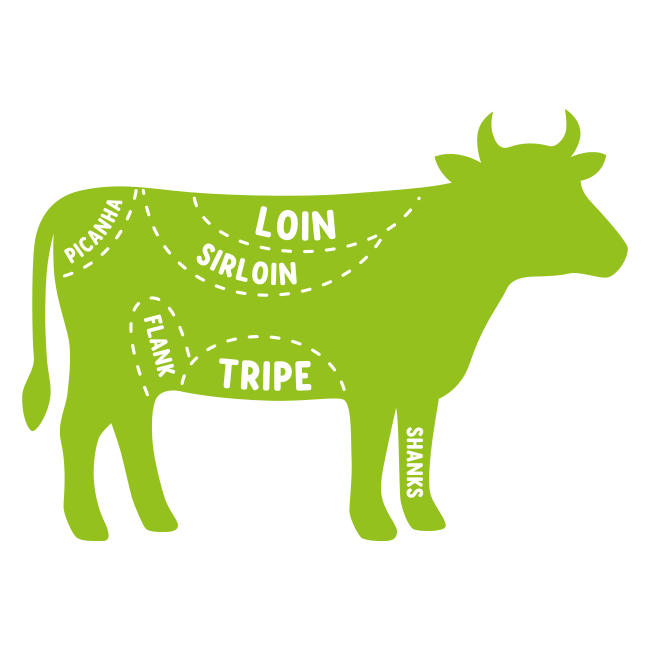
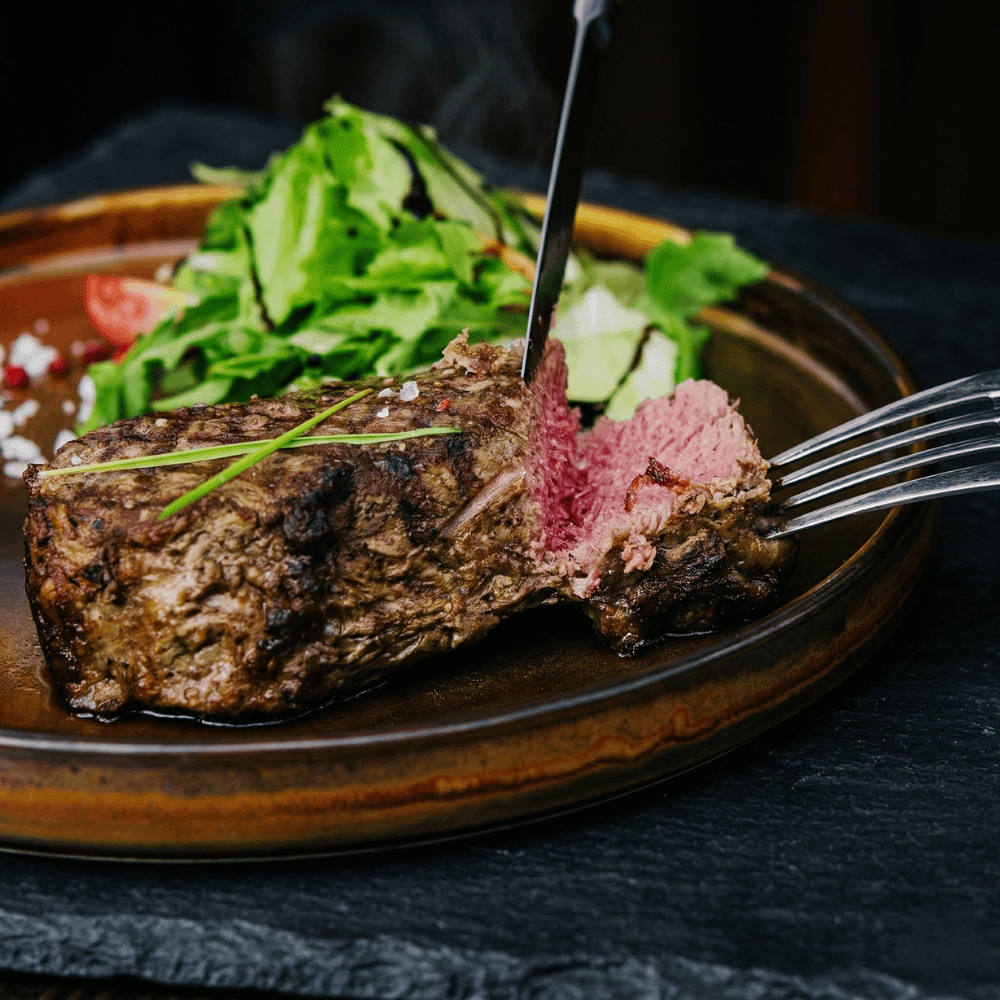
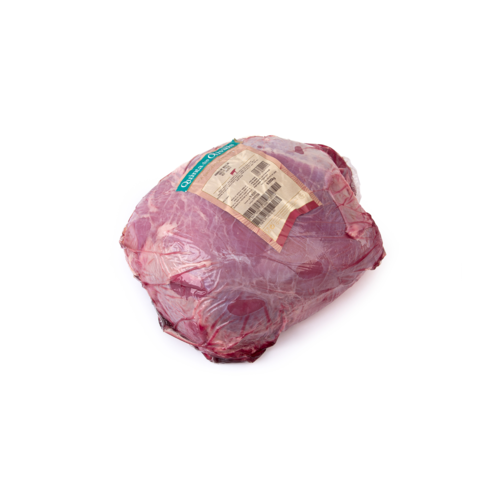
This cut comes from the upper back of the animal and is considered premium. It is tender, with a strip of fat that enhances flavor. Best grilled as entrecôte-style steaks, preserving its natural aroma and tenderness.
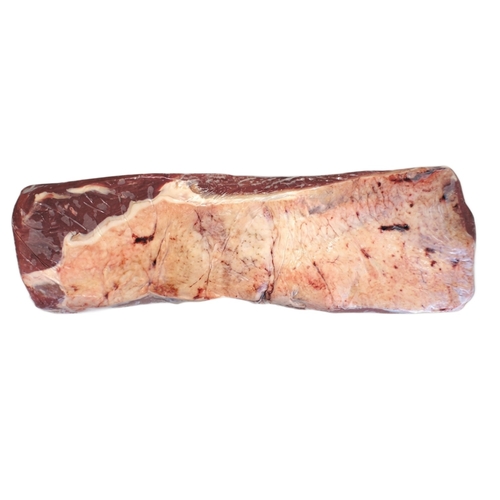
The beef loin comes from the dorsal and lumbar section of the animal, along the upper back. It is considered one of the premium cuts, characterised by a very tender texture and low intramuscular fat content. It can be used for steaks such as entrecôte, as well as whole roasts (roast beef), consistently delivering juiciness and a mild, refined flavour. It is particularly suited for quick cooking methods such as grilling or pan-searing, preserving the natural quality of the meat.
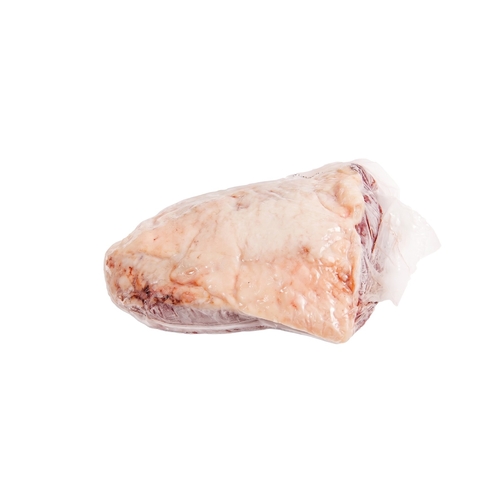
Tripe is obtained from the cow’s stomach, properly cleaned. It has a unique, firm, and elastic texture, well-suited for long cooking processes. It should be slowly cooked, often with beans and sausages, and is traditionally used in stews and hearty dishes.
Hands (boneless): Boneless hands come from the animal’s front lower limbs. They have tough meat, with a high presence of sinew, skin, and connective tissue, making them very rich in gelatin. They should be cooked slowly, in stews or broths, to release flavor and achieve a gelatinous texture. They are suitable for traditional preparations and typical dishes of Portuguese cuisine, such as cow’s hand.
Flank steak is located in the abdominal area, between the loin and the lower belly. It is a lean cut with slightly fibrous texture and intense flavor. Best suited for quick, high-heat cooking methods such as grilling or stir-frying. Proper cooking is essential to retain juiciness. Commonly used for thin steaks, strips, or pan preparations, and benefits from marination to improve tenderness. A versatile cut for professional kitchens.
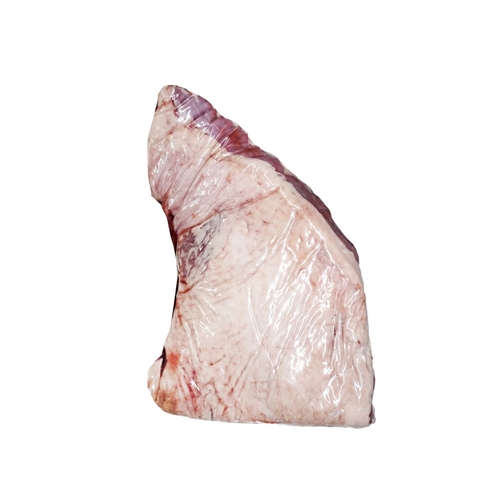
Picanha comes from the top of the rump, located in the upper rear part of the animal. It features a fat cap that enhances flavor and juiciness. It should be grilled over charcoal or on a grill, seasoned simply with coarse salt to preserve its natural taste and tenderness. Ideal for thick steaks and premium grilling.
Speak to our sales team and discover Meigal’s solutions for your business
Consumption Benefits
Find what you are looking for
The most popular and commonly used cuts include brisket, flank, rump cap, shoulder, sirloin steak and tail.
To ensure food safety and quality, beef should reach at least: 63° C for rare 71° C for medium 77° C for well-done These temperatures preserve the flavour, texture and safety of the meat in professional kitchens.
The meat should be stored in a refrigerator at between 0° C and 4° C. Where necessary, it can be frozen to extend its shelf life. Maintaining the cold chain and using suitable packaging helps to preserve flavour, texture and quality right up to the moment of cooking.