
 Butcher Shop
  Fish and Seafood
  Ready to Cook
  Charcuterie
  Eggs
Eggs  Potato
  Desserts
  Bakery and Pastry
  Complementary Foods
  New Arrivals





LOOKING FOR A RELIABLE SUPPLIER?
Speak to our sales team and discover Meigal’s solutions for your business
MEATS
FISH AND SEAFOOD
READY TO COOK
CHARCUTERIE
EGGS
POTATOES
BAKERY
DESSERTS
COMPLEMENTS
NEW ARRIVALS
Pork is a meat widely used in professional kitchens, appreciated for its flavour, juiciness and versatility in cooking. It can have different levels of fat depending on the cut, which allows it to be adapted for grilling, roasting, stewing or frying.
It is also a good source of high-quality protein, B vitamins and minerals such as iron and zinc.
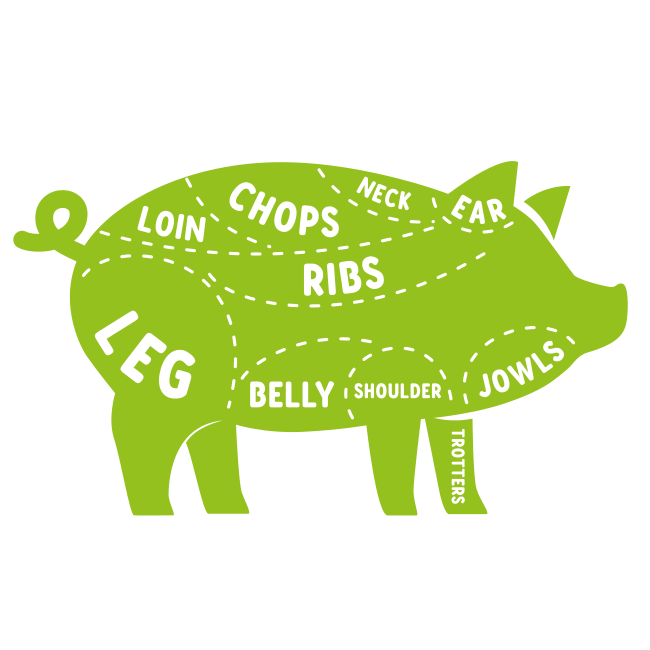
The pork loin comes from the dorsal region of the animal and is a long, uniform cut. It is characterised by being a leaner cut of pork with a firm texture, and may or may not have a layer of fat. It should be roasted whole or cut into steaks for grilling or frying, ensuring it is cooked in a way that preserves its juiciness. It is used in dishes such as oven-roasted loin or loin steaks for quicker dishes.
The pork shoulder comes from the foreleg and features meat with some marbled fat. It is a versatile cut, prized for its texture and flavour. It should be braised or slow roasted to achieve a tender texture. It is widely used in stews, pot roasts and in the production of minced meat.
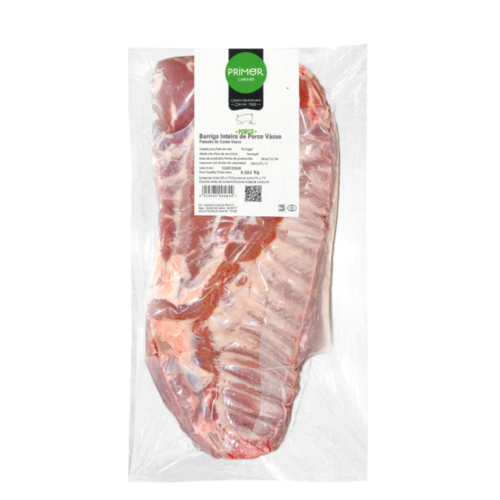
The pork belly comes from the animal’s abdominal area, characterised by a high proportion of fat and an intense flavour. It should be grilled or roasted to achieve a crispy outer texture. It is used in dishes such as grilled streaky bacon and crackling.
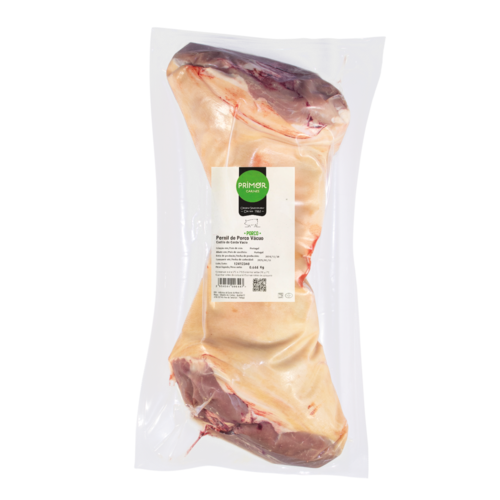
The pork leg comes from the animal’s hindquarters; it is a large cut with a high meat yield. It has a firm texture and a balanced flavour. It should be roasted in the oven or cut into steaks for various dishes. It is also the source of processed products such as ham and cured ham.
The pork neck is located in the neck area and contains intramuscular fat, which gives the meat a high level of juiciness. It is one of the tastiest cuts of the animal. It should be grilled in slices or roasted whole, allowing the meat to retain its moisture. It is widely used in pork sandwiches and other dishes that require tender and juicy meat.
Pork ribs come from the rib area, with meat surrounding the bone. This is a succulent and flavourful cut. It should be grilled or roasted to bring out its aromatic profile. It is widely used in barbecues and in dishes such as pork rib rice.
Pork chops are taken from the loin or neck, retaining the side bone. They have firm meat, making them easy to prepare and portion. They should be grilled or fried, ensuring quick and even cooking. They are widely used in everyday meals, served with rice, chips or salad.
Pork jowls come from the animal’s face and are a cut rich in connective tissue. This cut has a very tender texture after cooking and an intense flavour. They should be braised slowly to achieve a tender consistency.
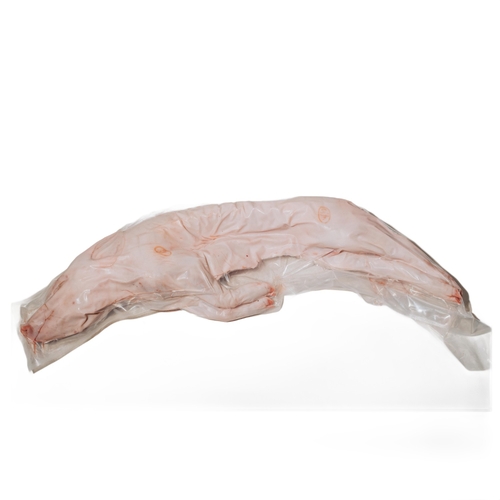
Pig’s trotters are the ends of the legs, rich in collagen, with a high proportion of cartilage and little muscle. They should be well cooked or stewed for long periods to ensure the right texture. They are used in traditional dishes such as feijoada.
The pig’s ear comes from the animal’s head and consists mainly of skin and cartilage. It has a cartilaginous texture after cooking. It should be pre-cooked and then grilled or finished, depending on the dish. It is mainly used as a snack or starter.
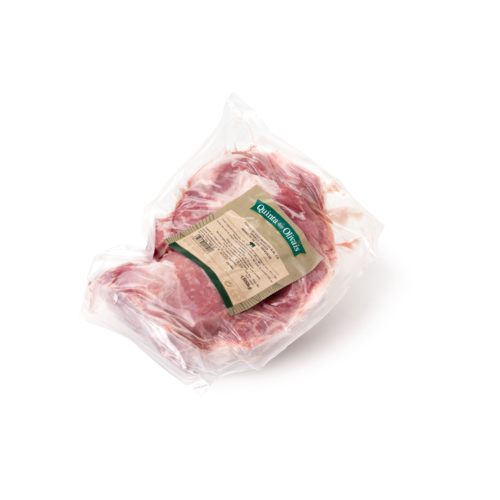
Speak to our sales team and discover Meigal’s solutions for your business
Consumption Benefits
Find what you are looking for
Among the most common cuts are chops, loin, streaky bacon, tenderloin, ham and spare ribs, as well as other cuts such as neck, shoulder and belly, which are widely used in various culinary preparations.
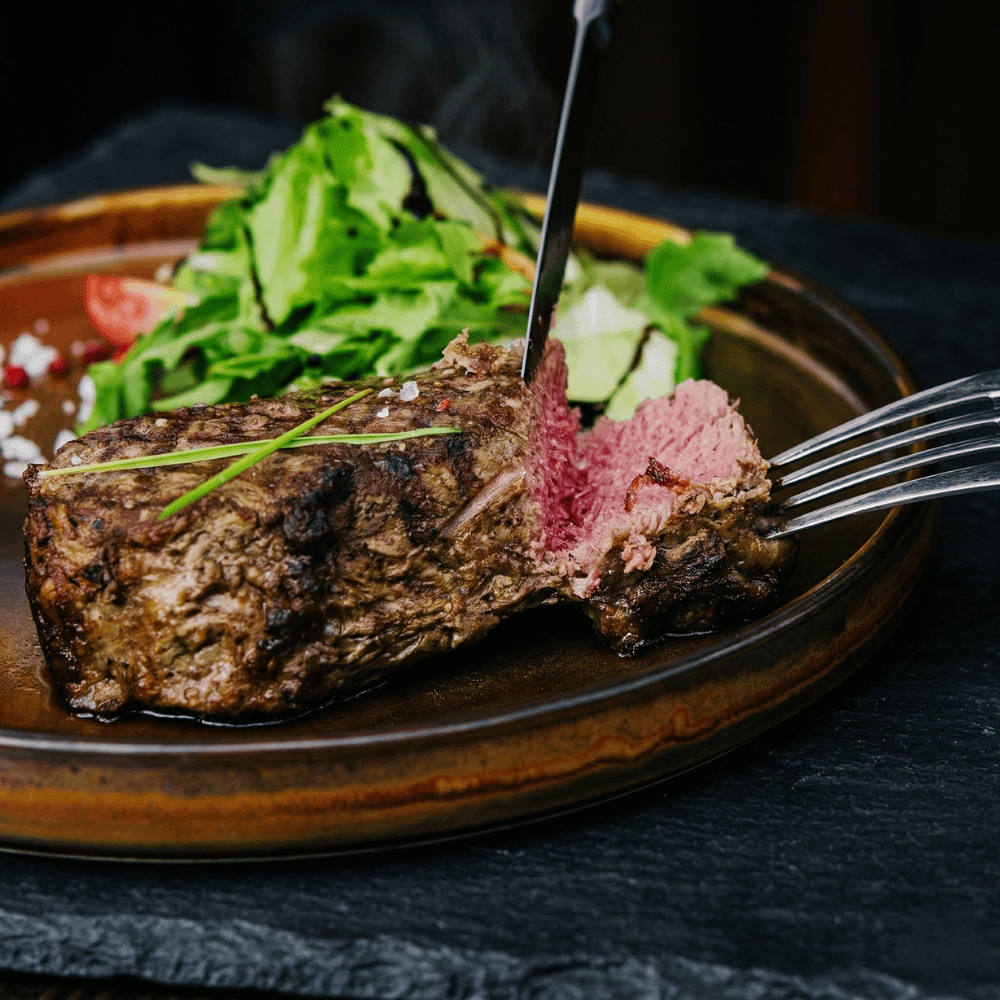
Pork should reach a minimum internal temperature of around 71° C, ensuring the elimination of microorganisms and food safety.
Choosing the right cut for each type of dish, controlling the cooking time and ensuring the correct internal temperature help to preserve flavour, texture and juiciness.